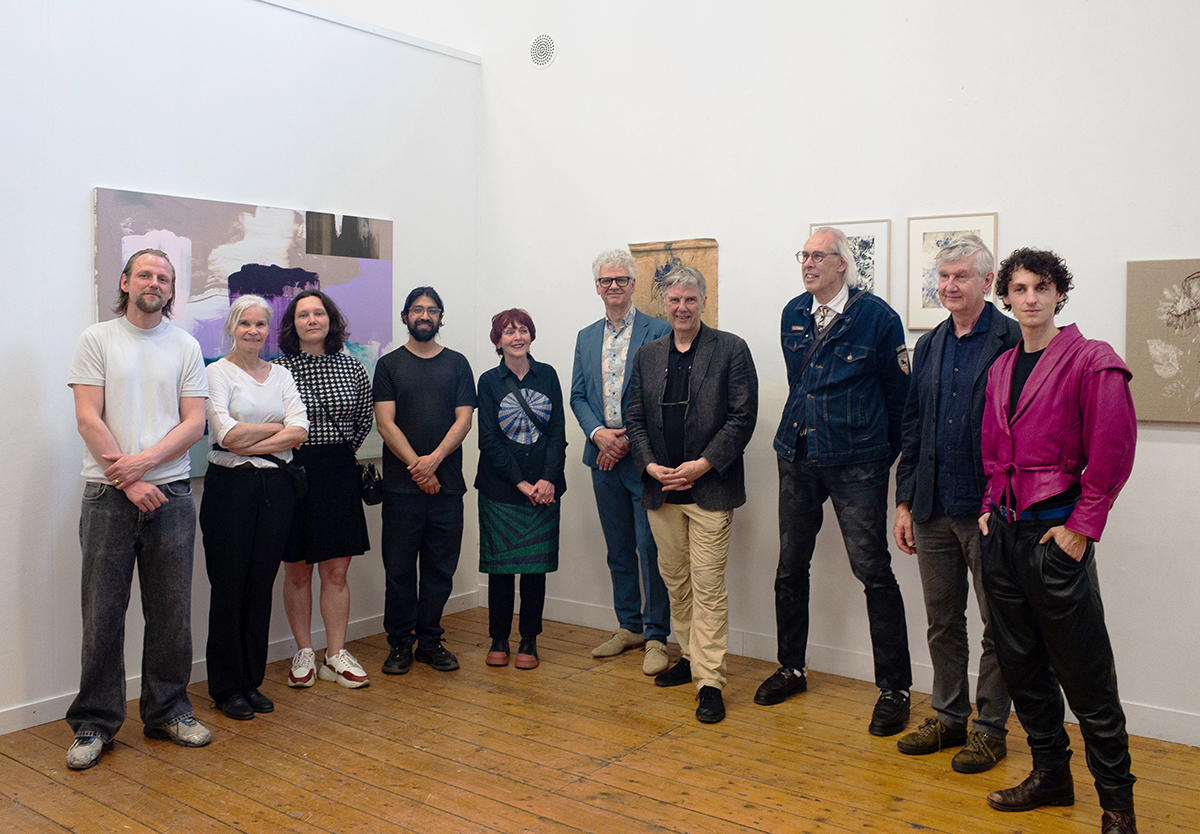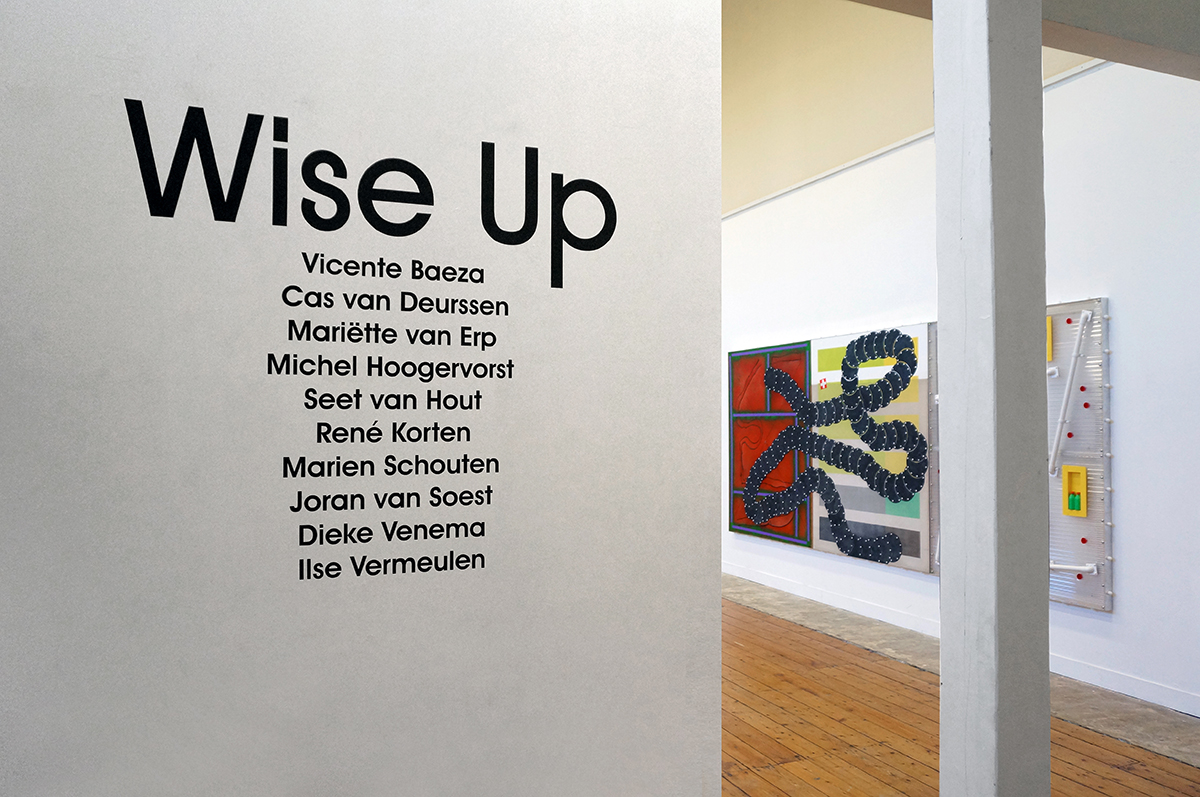

Vicente Baeza (CL/NL)
Cas van Deurssen (NL)
Mariëtte van Erp (NL)
Michel Hoogervorst (NL)
Seet van Hout (NL)
René Korten (NL)
Marien Schouten (NL)
Joran van Soest (NL)
Dieke Venema (NL)
Ilse Vermeulen (BE/NL)
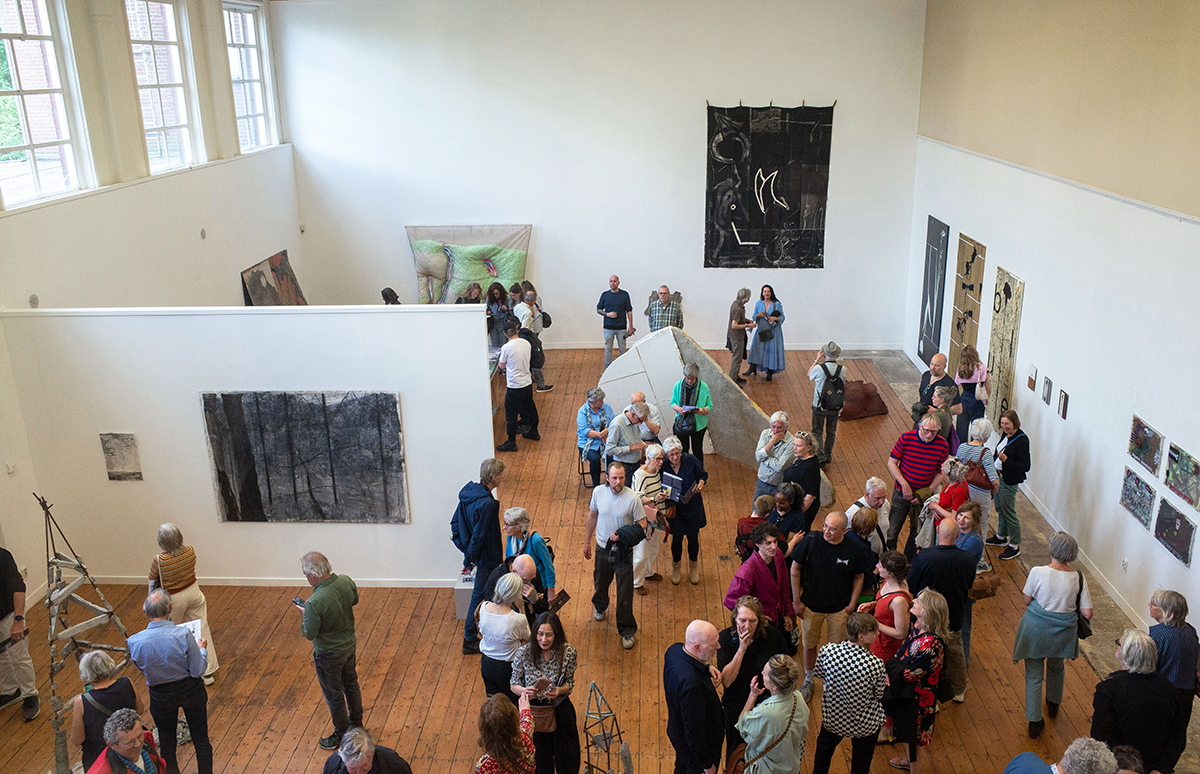
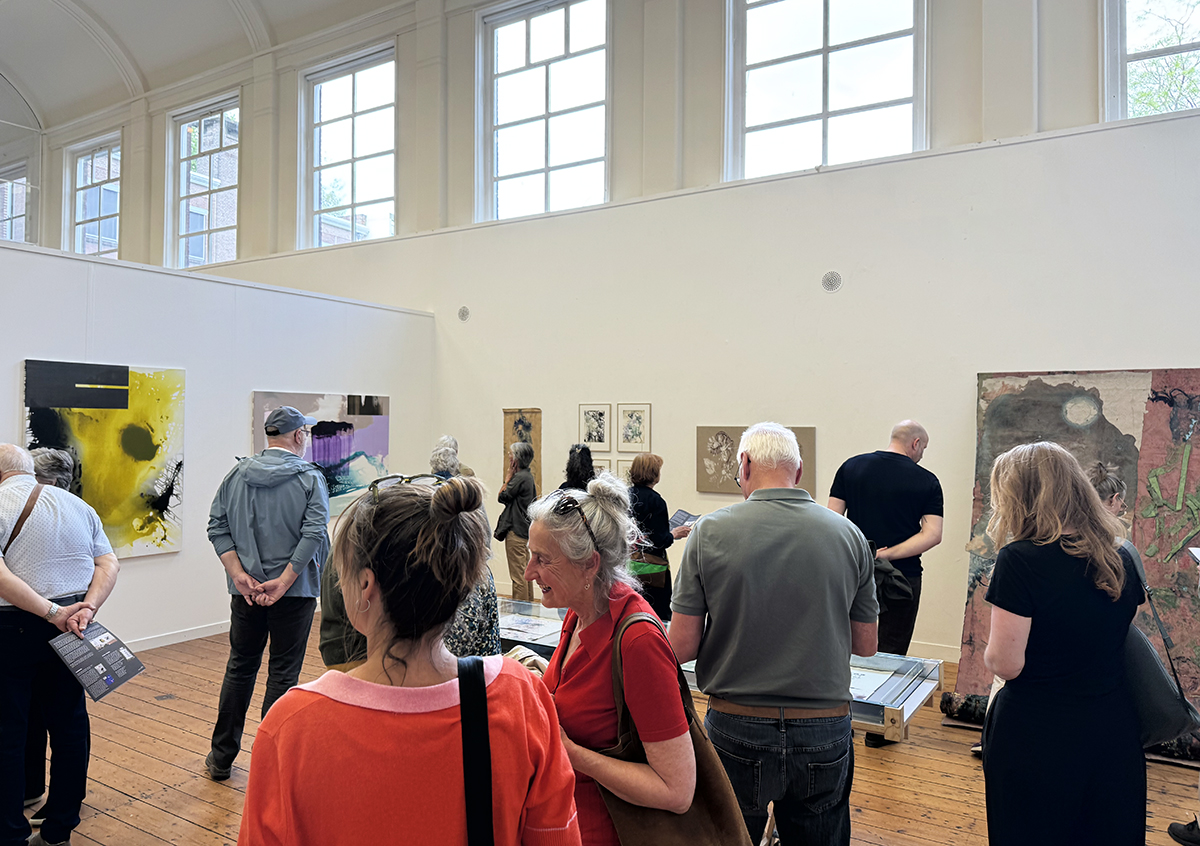
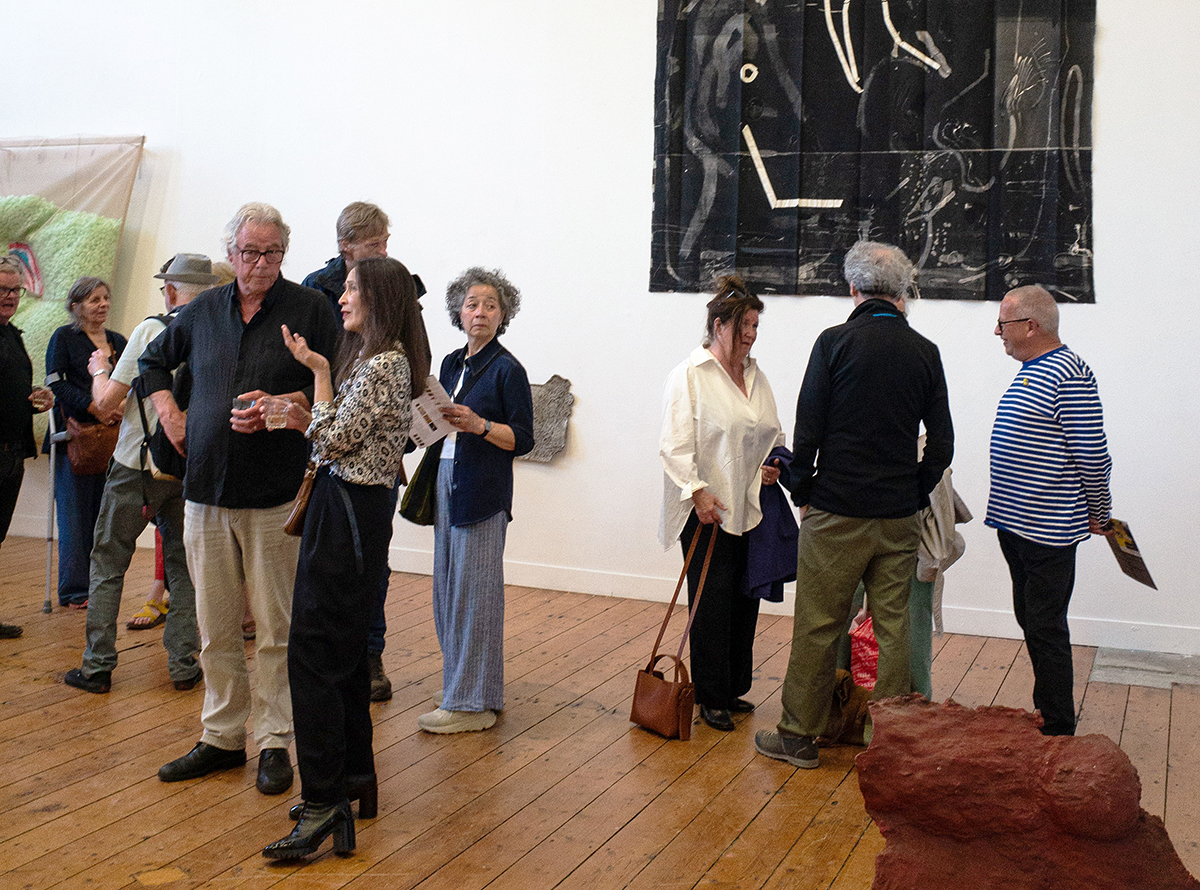
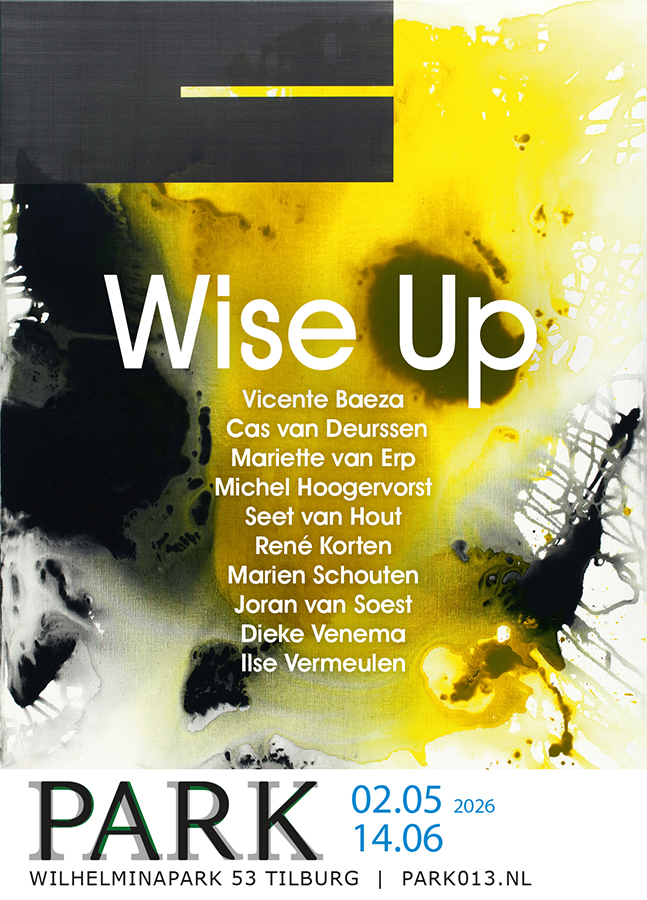
We live in confusing and confrontational times full of threats. Contrasts are becoming increasingly pronounced, and polarisation seems to be the norm. There is hardly any room left for the different and the unknown. And that is precisely what is so desperately needed. The Wise Up exhibition is a mosaic of images that reflect the awareness that new connections are essential. That we are part of nature, that we must be attentive to our surroundings, and that beauty and meaning can be extracted from transience. And that this enables us to understand ourselves better.
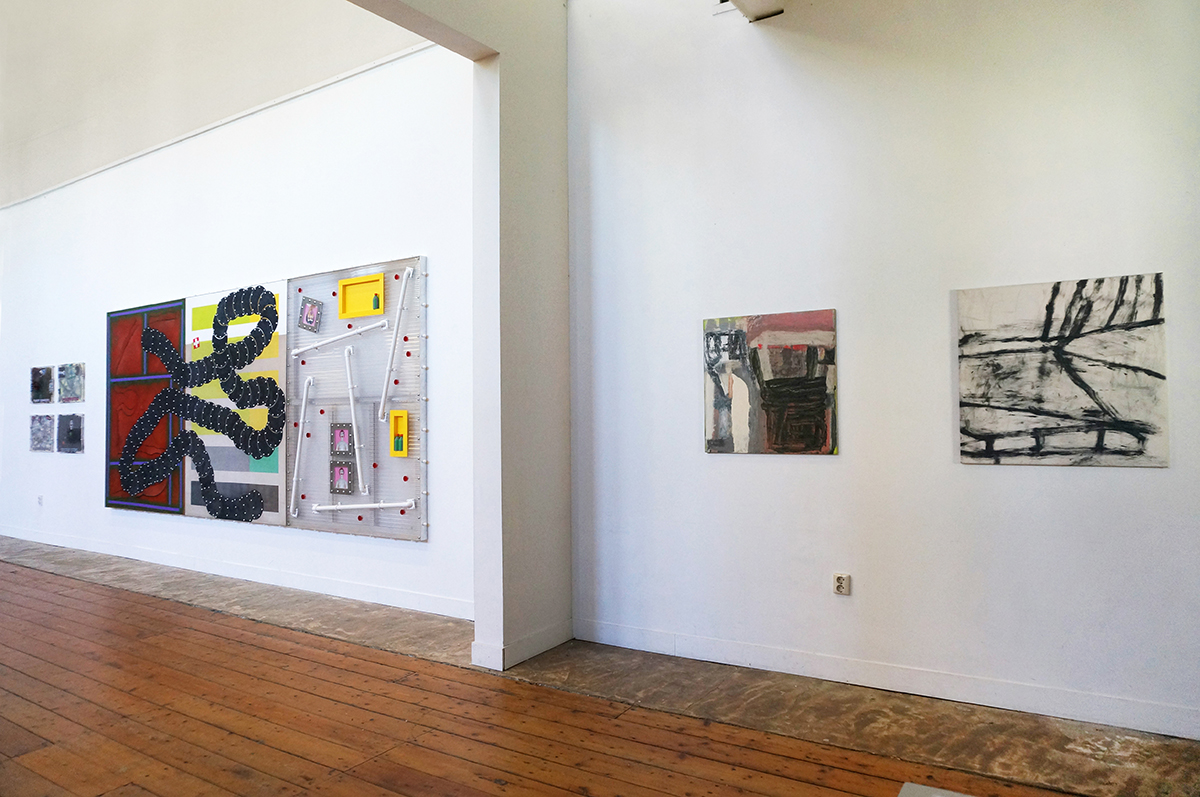
The participating artists focus on movement and transformation in their work: the ordinary becomes extraordinary. The focus in Wise Up is specifically on connection. On the syncretic encounter in which things do not merge, but where the interaction with the different results in dynamics, depth and enrichment. The transformation of materials brings the wonder of original images.
Wise Up is an exhibition that embodies a necessary polyphony. Art, without pamphlets and slogans, as a concrete manifestation of interactions between earth and sky, chaos and order, nature and culture, idea and feeling, appearance and disappearance.
The title of the exhibition refers to the song of the same name by Aimee Mann, which appears in Paul Thomas Anderson's brilliant film Magnolia. In one of the film's key scenes, a poignant extra layer is added when various characters in different locations start singing along to the song Wise Up. Within the dynamics of the various storylines, a moment of stillness occurs, all the lines become connected, and there is room for new insights.
René Korten is the curator of this exhibition. He has been a member of the artistic team since PARK was founded in 2013, and this exhibition marks his farewell to PARK.
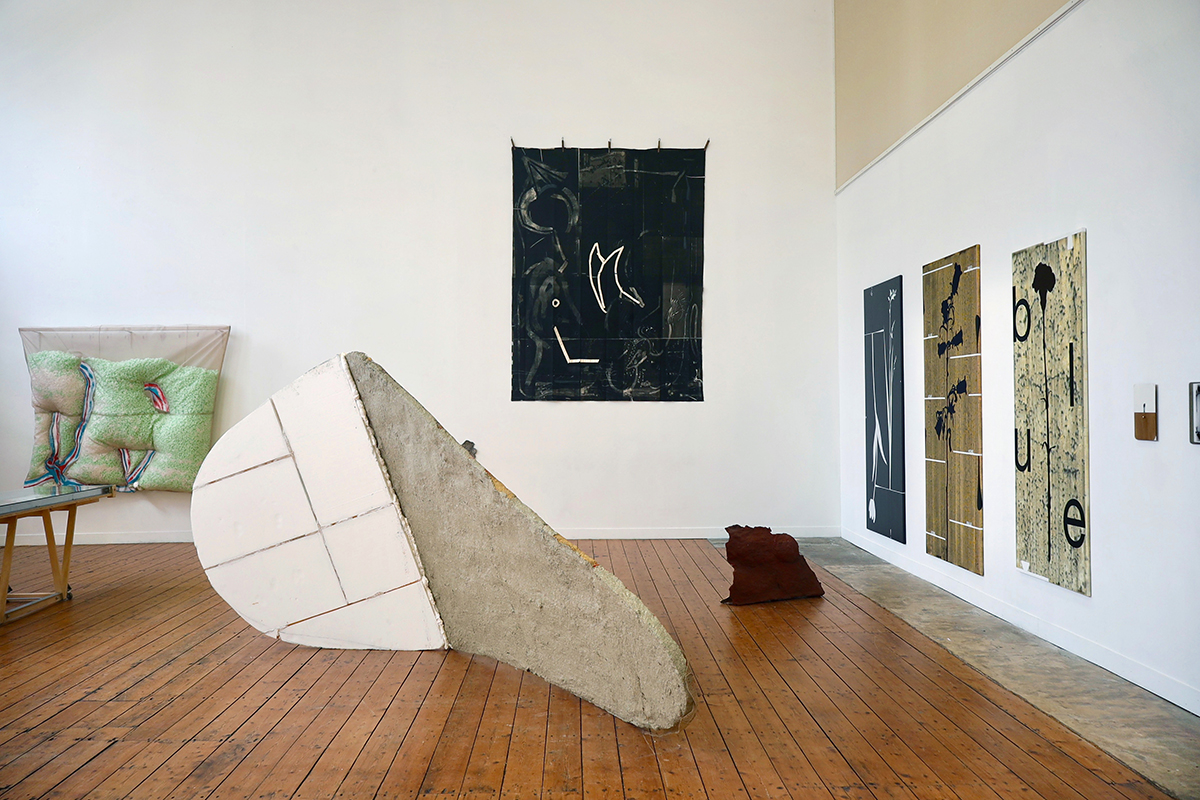
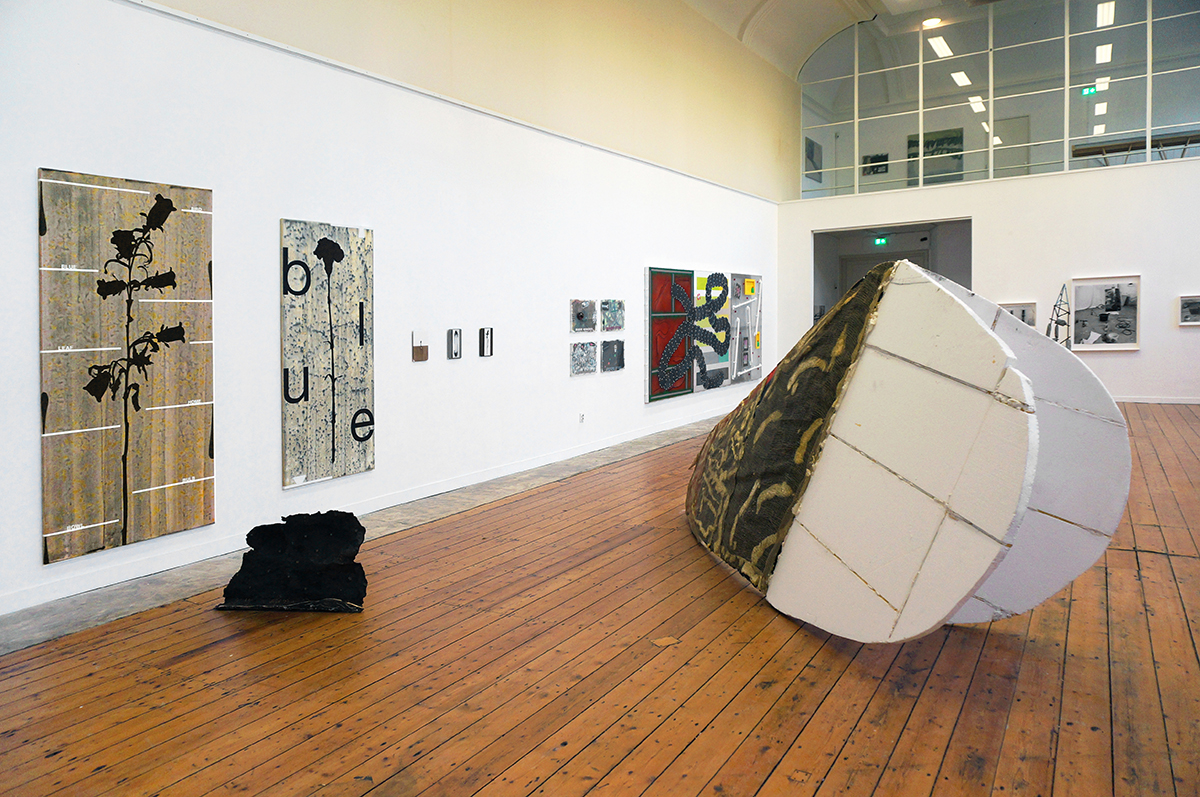
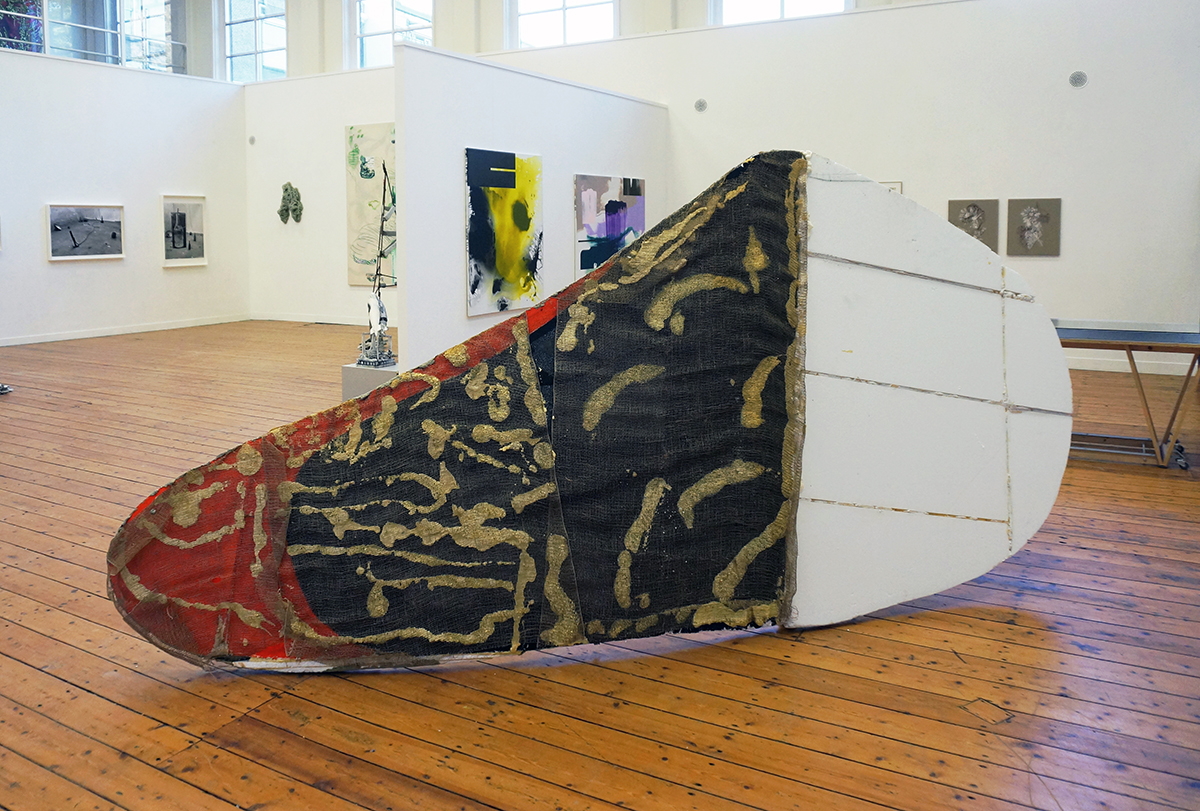
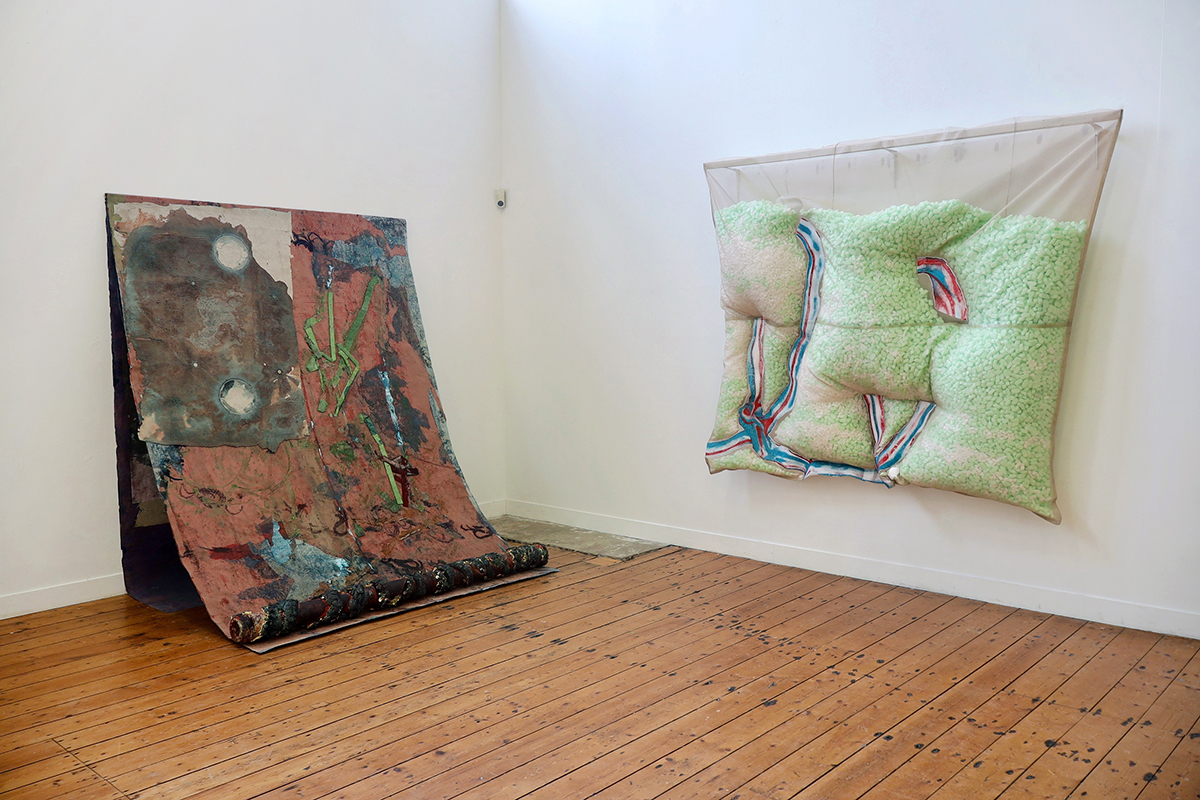
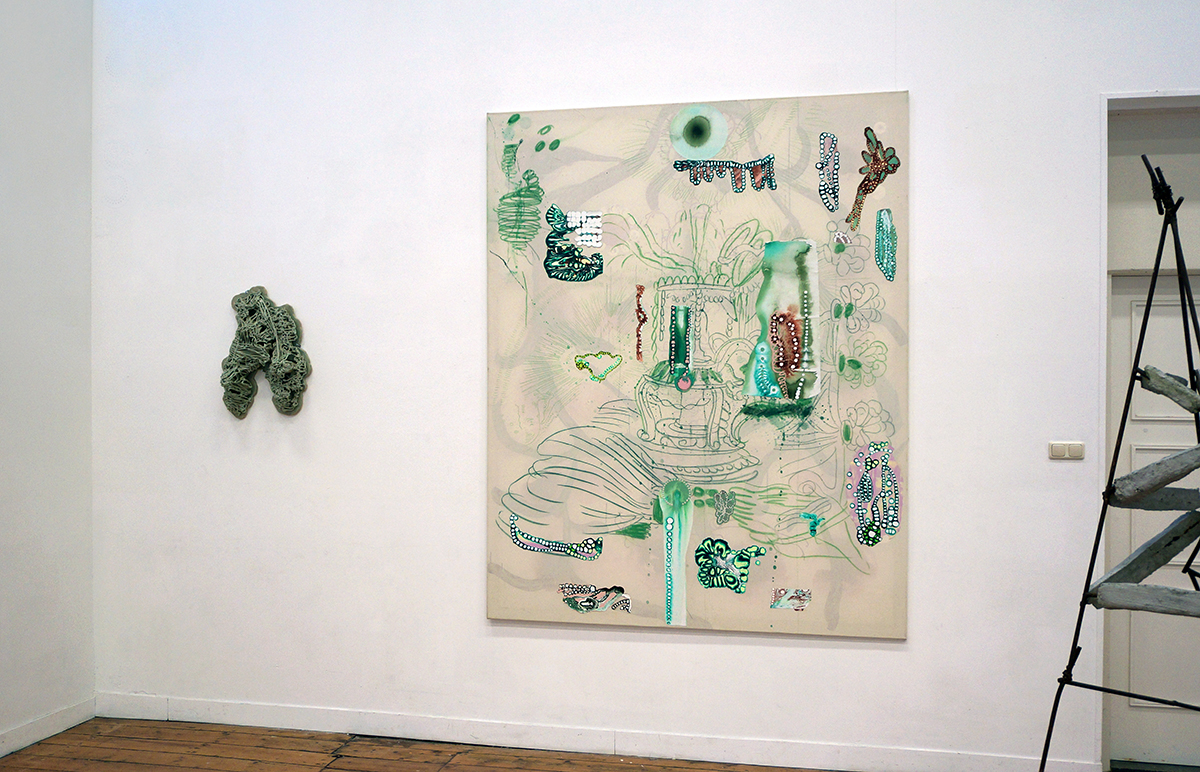
Vicente Baeza (1992) decided, after finishing his studies in Santiago, Chili that he no longer wanted to be a distant observer but rather an involved maker. Between 2020 and 2022, he was a resident at De Ateliers. He collects materials and lives and works with them intensively. He carries them in a backpack through the city and feels, as he puts it, ‘excited, happy, free’. Baeza speaks of his works as paintings, but he does not regard them as two-dimensional objects to hang on the wall: rather than creating an image, he wants them to evoke space, in the broadest sense, both physically and mentally. One of the works on display is Gut, which consists of a mesh shell with screen-printed elements and filled with packaging chips.
Cas van Deurssen (1994) draws inspiration from a wide range of sources, including local customs, the urban environment and spontaneous encounters. In his practice, everyday objects can be elevated to sources of aesthetic and narrative power, transcending their utilitarian role. Unconventional materials find their place in his compositions, balancing between art and everyday life, whilst ordinary objects create their own meaning or symbolism. His approach is based on spontaneity and aims to express the universal connection we share. The constant change in everything we perceive on a daily basis is reflected in the transformative nature of his work.
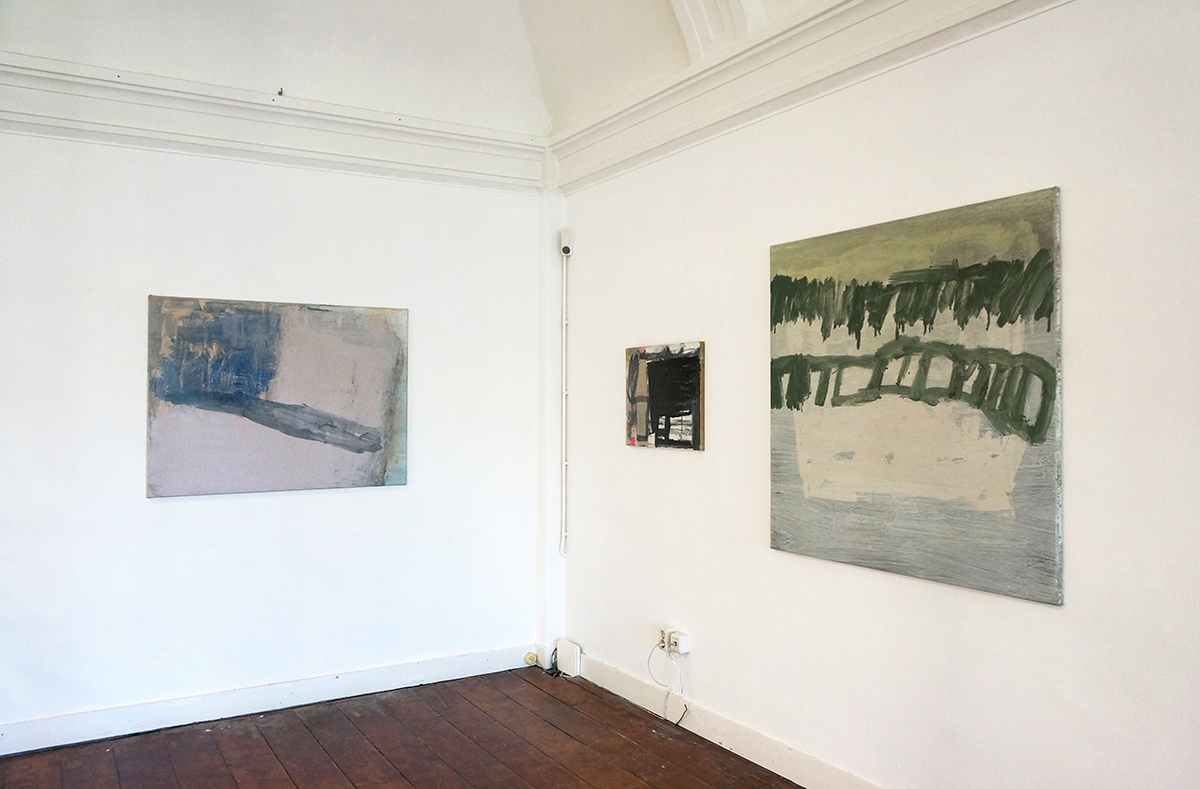
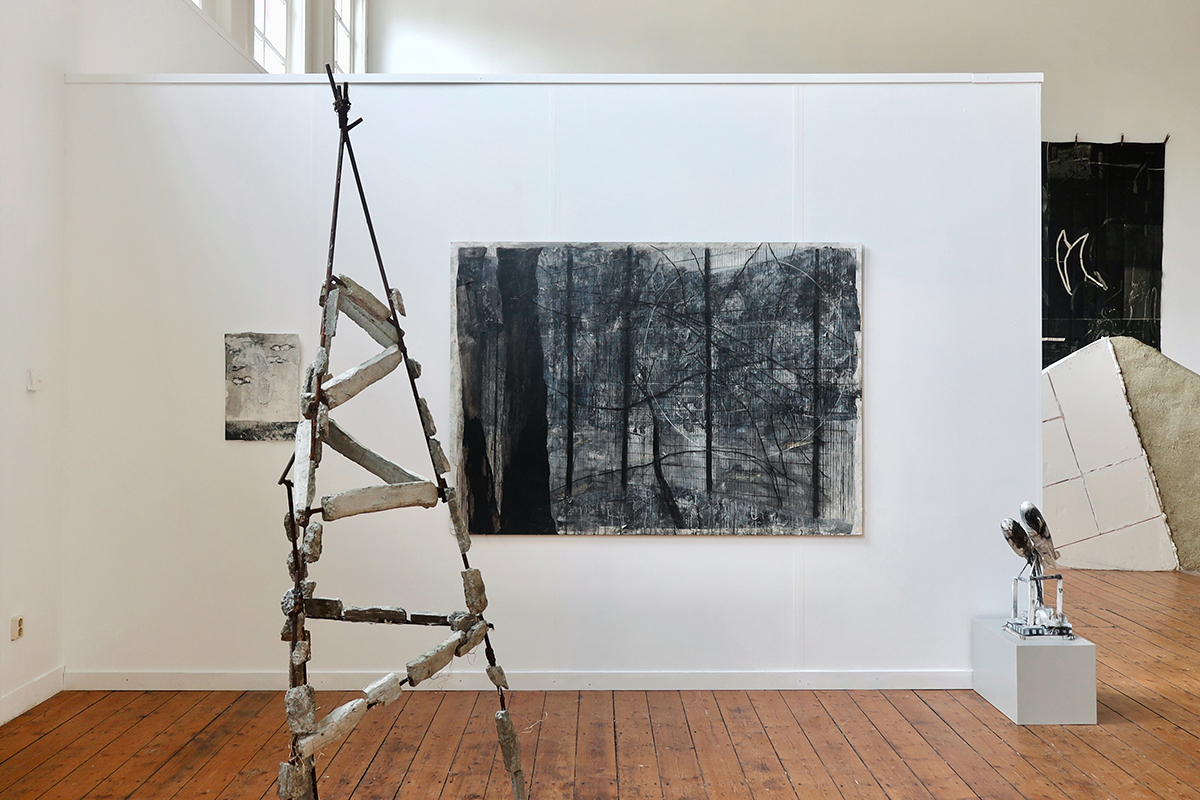
Mariëtte van Erp (1953) was born in Gemert. That is where the foundations of her life and artistic practice lie. Since 1987, she has had a studio in the former nuns’ school at the Nazareth convent, where she herself went to school. She enjoys working outdoors in the landscape. The fields are often wet and covered with stubble. Poplars stand on the horizon; they grow quickly and are chopped down, nothing remains as it is. Van Erp becomes part of the landscape by immersing herself in it and experiencing that she has her place there. Her work is lived through in every sense. Alongside the naturalness of her work, one also sees the unease; there is always something indefinable in it. She looks the indefinable straight in the face. She draws, paints and depicts it with everything she has within her. The work is not a visual record but a deeply felt experience.
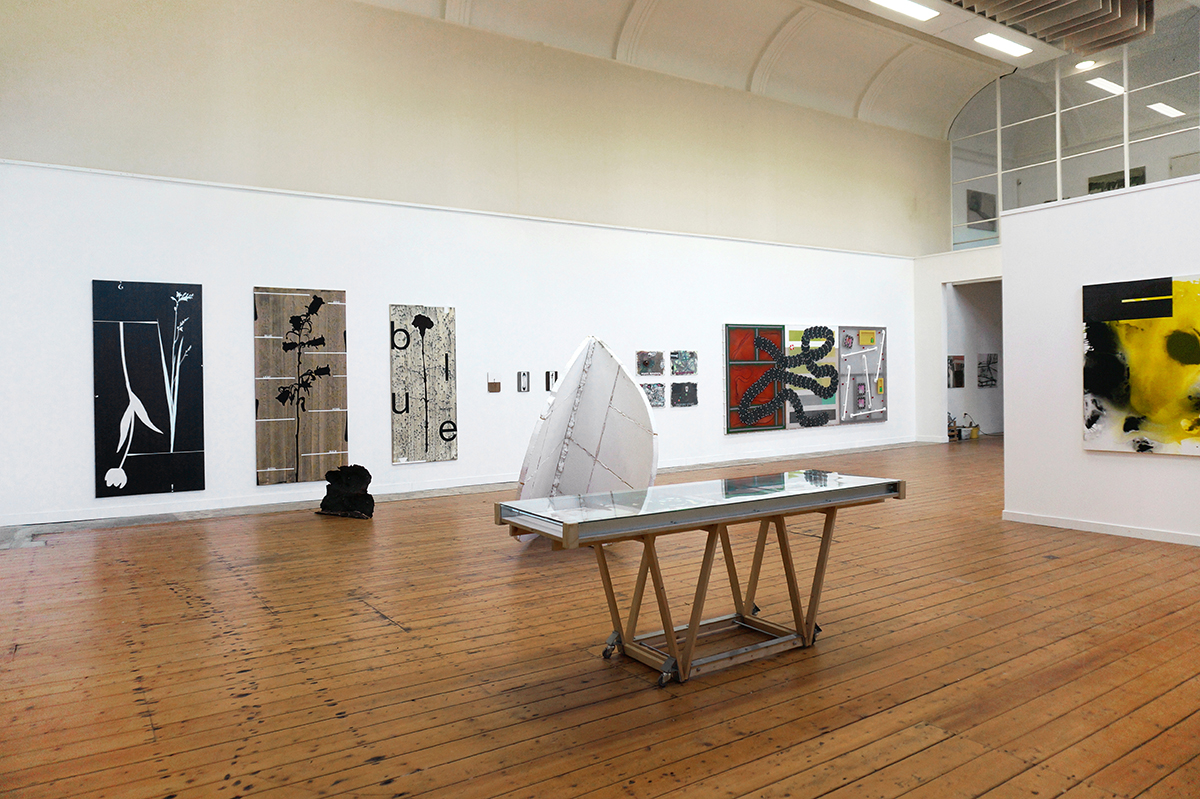
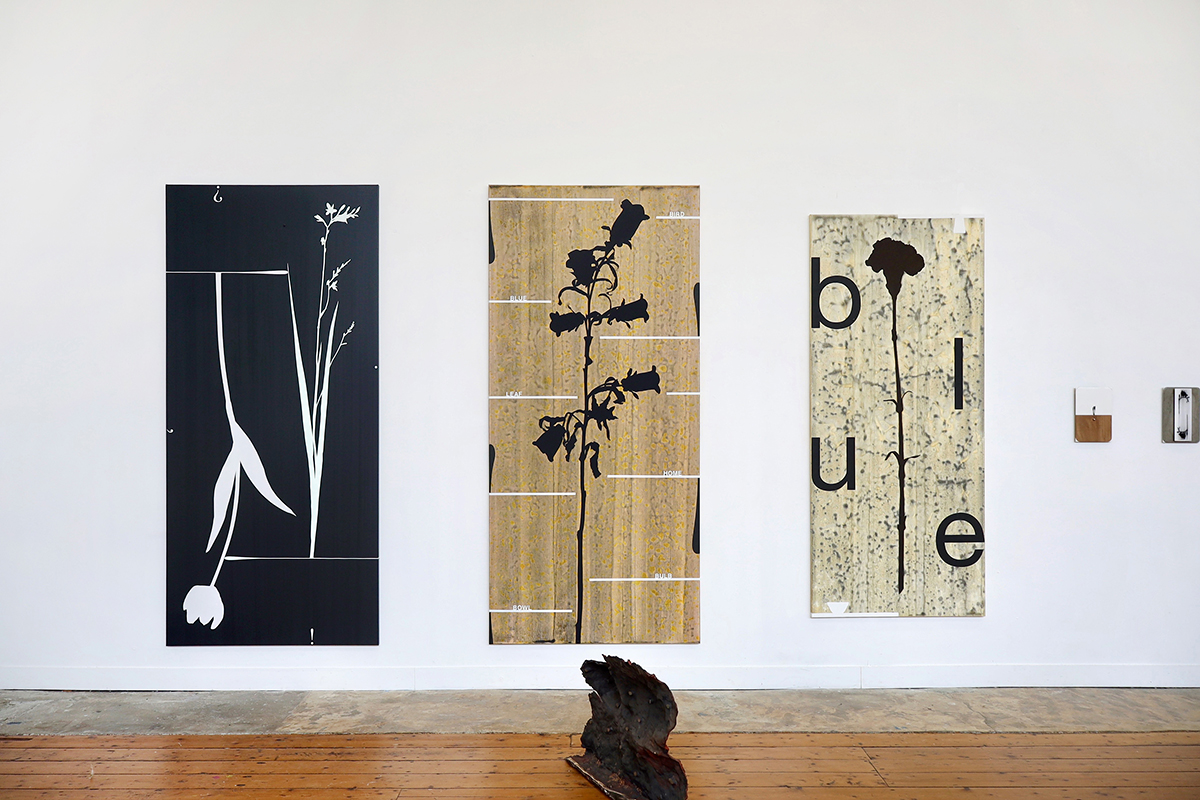
Michel Hoogervorst (1961) creates work that is both organised and organic, methodical and plant-like, austere and free, static and dynamic, light and severe, drawing and sign. Is it about life and death, or is it about survival? What do the flowers, which feature so frequently in his work, signify? A connection with Sassenheim in the flower-bulb region is obvious; it is the place where Hoogervorst was born and raised. He does not paint bulb fields or floral arrangements, but individual flowers. These are monochrome in colour, usually black; the colours they originally possessed are found in the background, which sometimes also becomes the foreground. We also often see horizontal and vertical lines that contrast with the organic floral motifs. Sometimes a bud, leaf or brush also grows from the lines. In this way, life is passed on, continuing into the next layer.
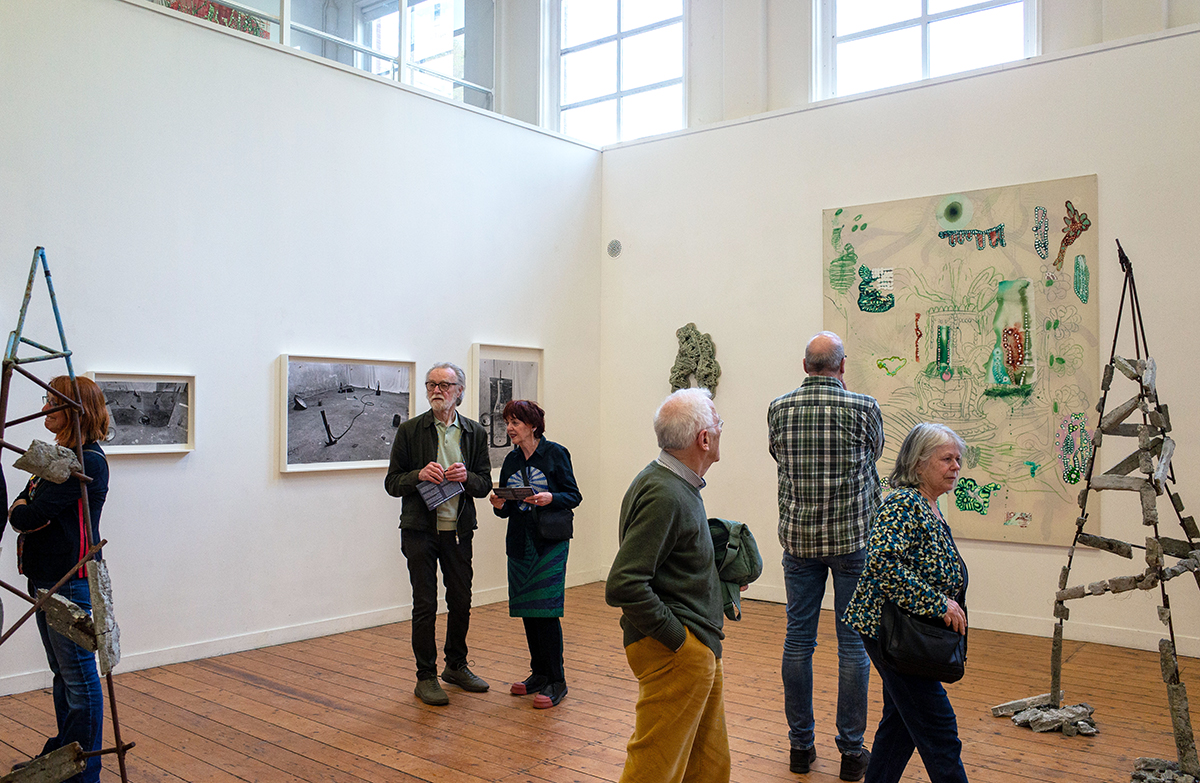
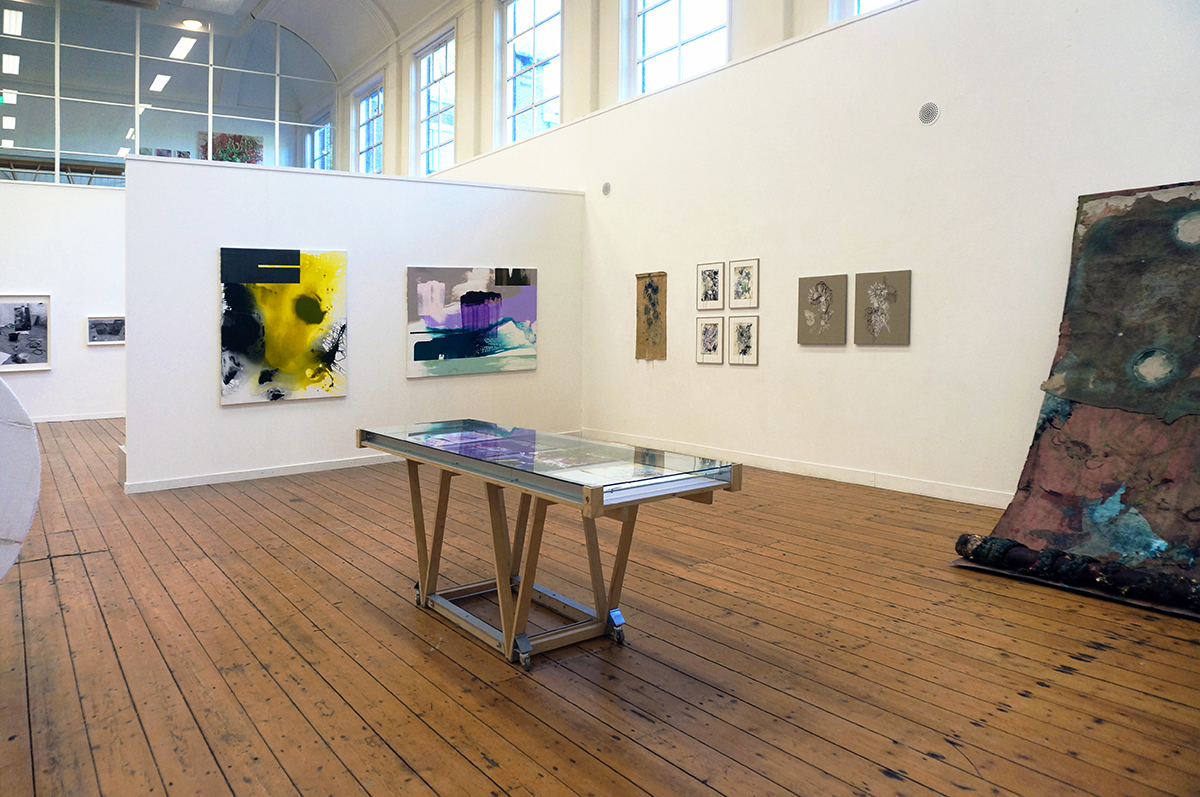
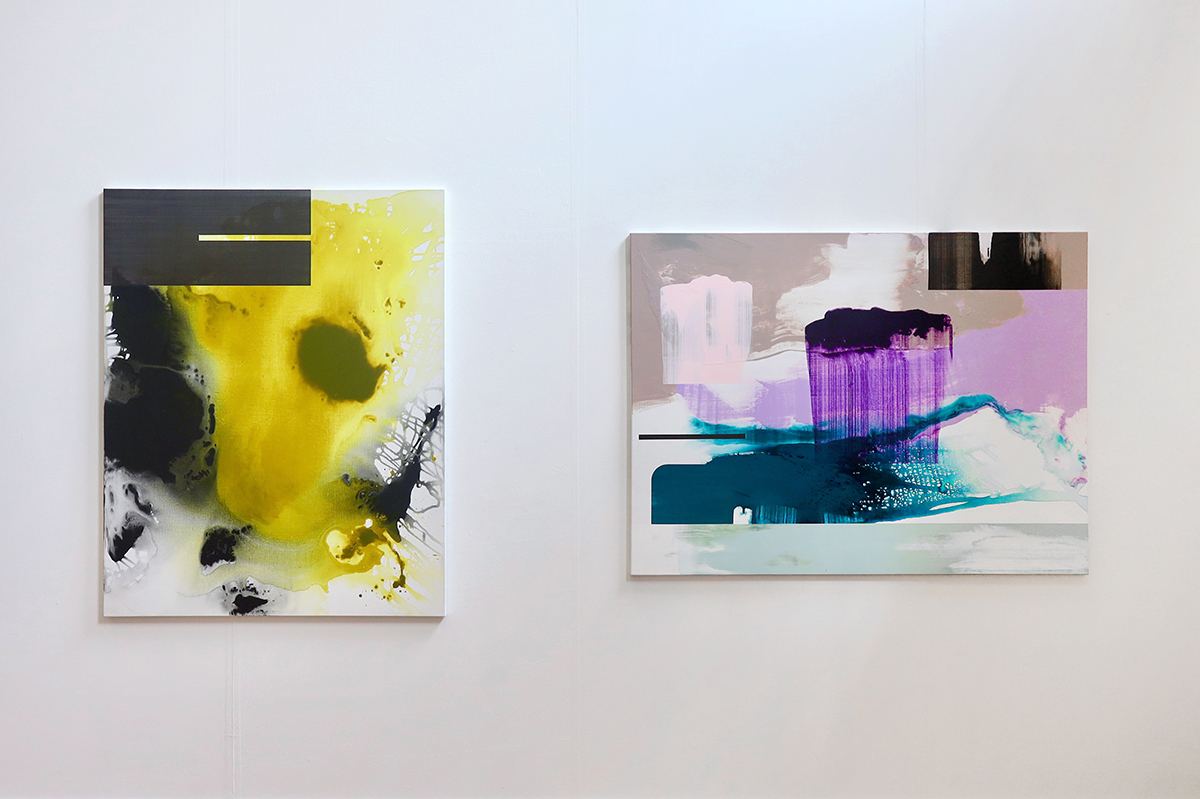
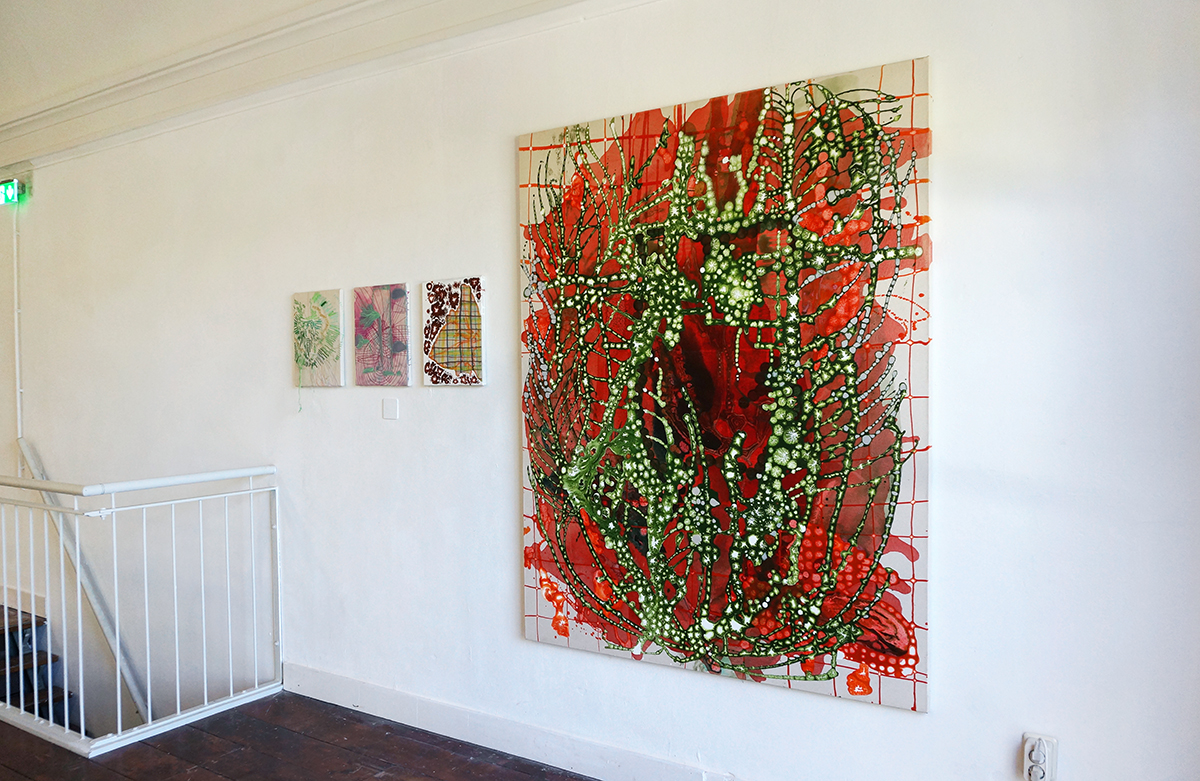
Seet van Hout (1957) uses a wide variety of materials in her work: acrylic paint, as well as embroidery thread, ceramics and textiles. She has an almost symbiotic relationship with paint. She allows the paint to take its own course, letting herself be guided by it. She always paints on the floor and does not use brushes; she paints layer upon layer. There is no preconceived plan; she does not start from a concept. By using different consistencies of paint, creating areas of transparency and opacity, she produces paintings featuring organic, colourful and vibrant figures that refer to the world of flowers and plants. She gives form to the wonders of being here. To the indescribable, the mysterious and the creation that resonates in nature, the universe, memory, beauty and humanity. On display are, among other works, two large paintings and a ceramic work by her.
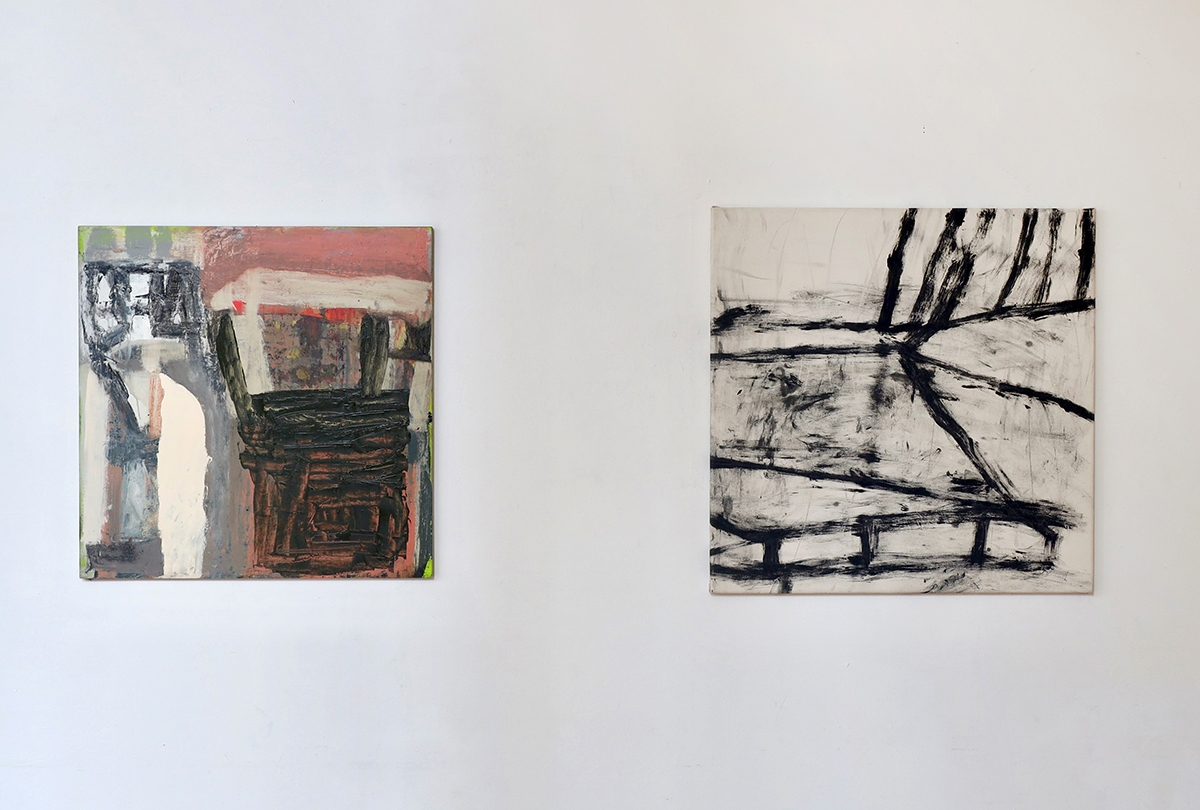
René Korten (1957) creates paintings that reflect the complexity of the world. They explore the nature-culture dichotomy, depicting nature through the lens of human experience. We often regard these two as opposites, but is there really a clear dividing line between them? He does not seek to depict visible reality, but creates an equivalent by allowing natural processes to take place in the paint and then intervening decisively. He alternates extremely careful decisions with intuitive interventions and actions that are only partially controllable. The alternation of control and chance, of mastery and surrender, of disruption and acceptance leads to layered and charged images. His paintings are about the simultaneity of things, about making radical connections, about the creative power of friction.
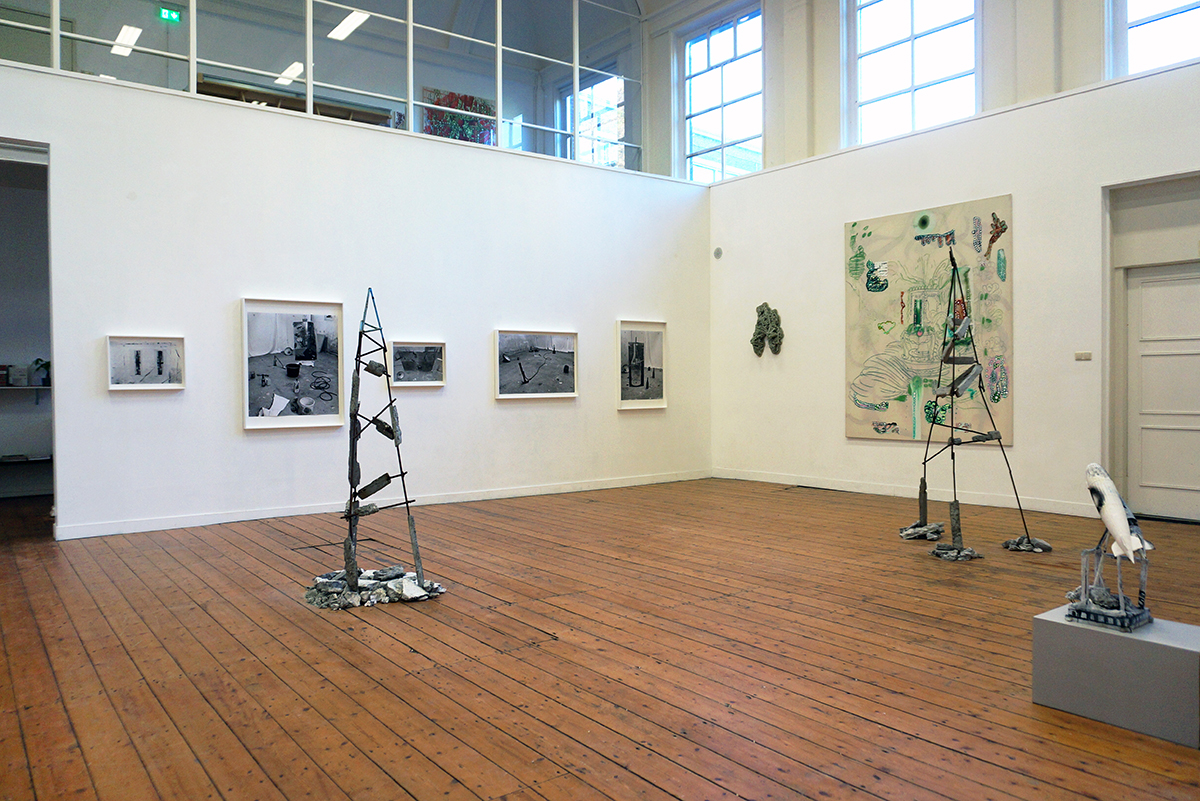
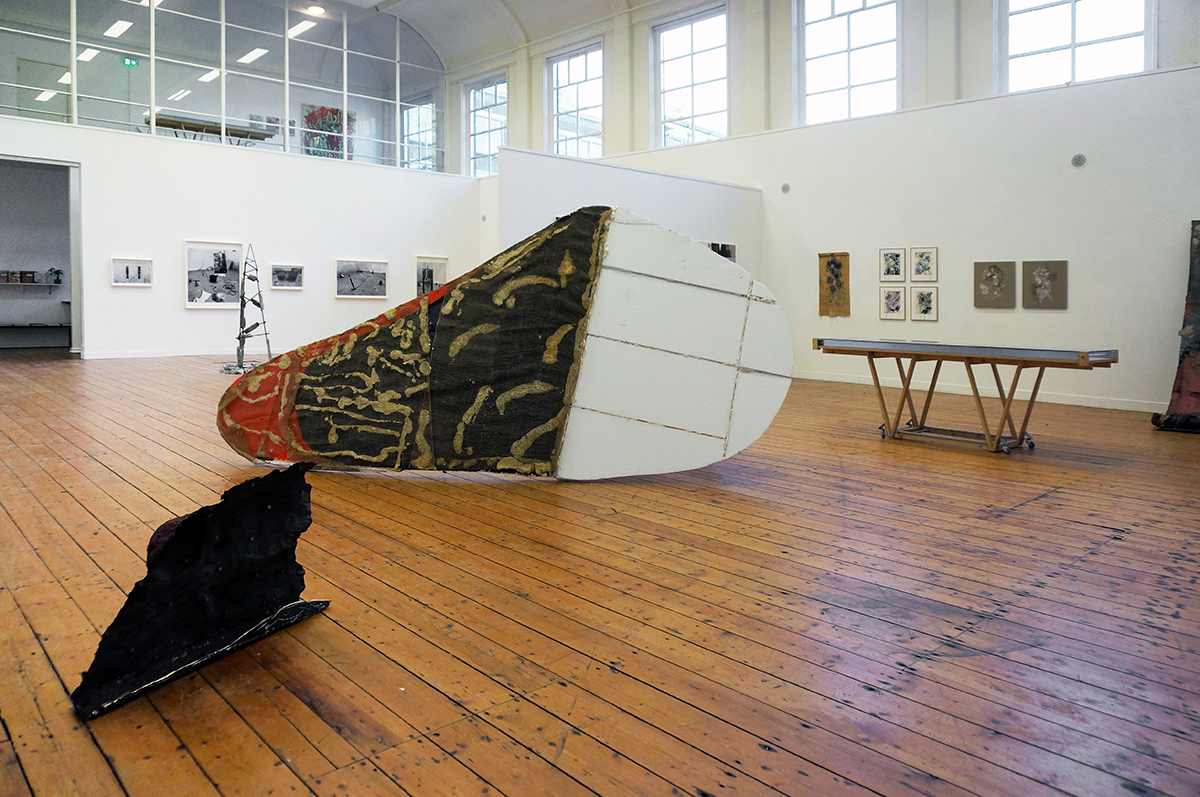
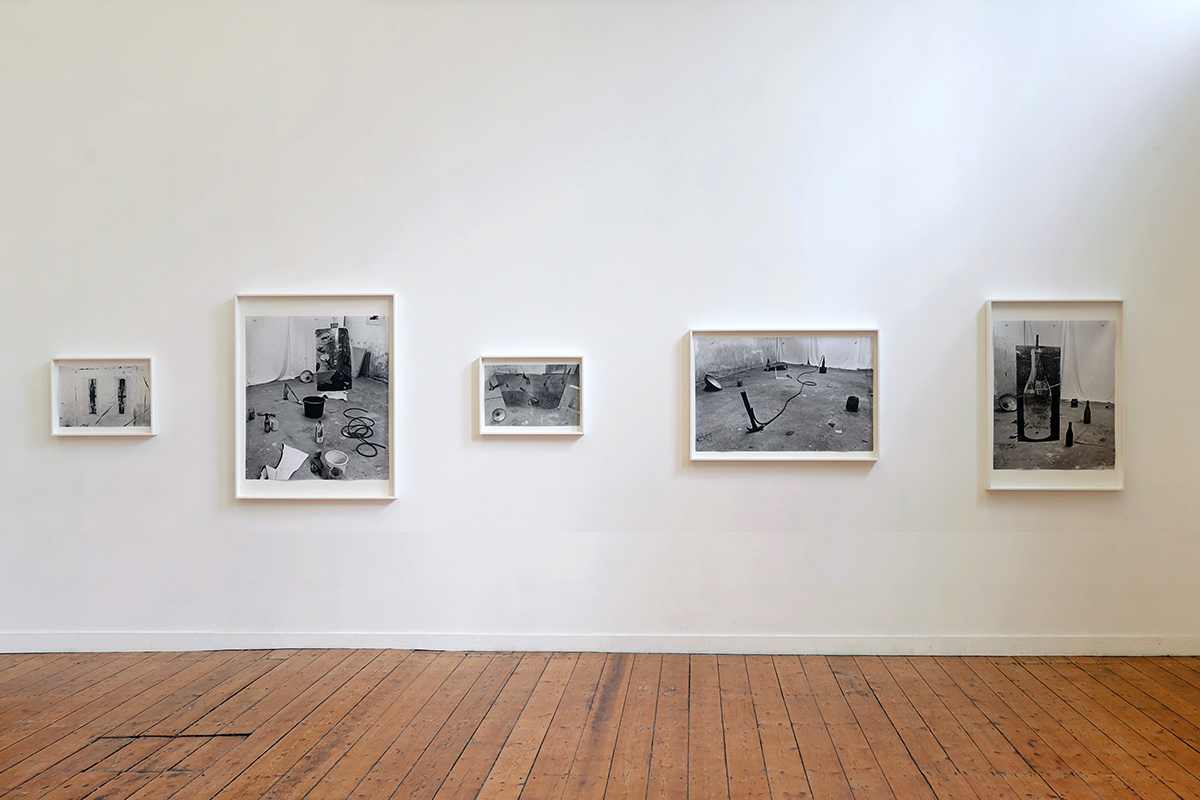
Marien Schouten (1956) has created a body of work that constantly challenges the boundaries between painting, sculpture and architecture. Wise Up showcases a hardly known facet of his work. Before studying at Ateliers '63, he attended teacher training college in Tilburg in the late 1970s. In 1979–80, he worked in a studio at Berkdijksestraat, where he developed a very free working method. There he produced paintings on paper, drawings on the wall and installations using everyday objects lying about. The photographs he took of these arrangements were sometimes edited with ink or ballpoint pen, or enhanced with black wax, transforming them into sculptural objects. The photographs were also printed on transparent film, placed within existing arrangements and re-photographed. For the first time, Schouten is now showing specially made prints at PARK from that important early period of his development.
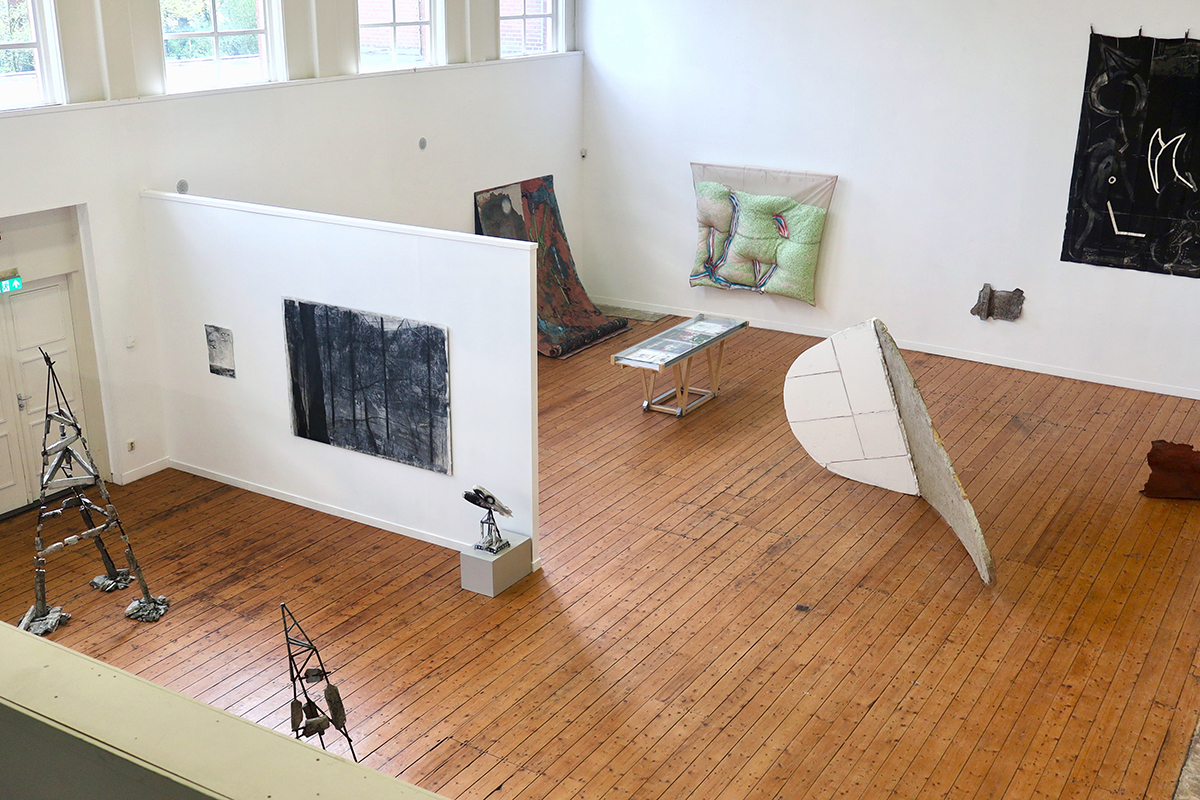
Joran van Soest (1994) graduated from the AKV St. Joost Academy of Fine Art in 's-Hertogenbosch in 2018. For him, the ‘intersubjective space’ is a key concept. Where do we draw our boundaries; do we cross another person’s comfort zone, or do we intrude upon it? The artist explores this space through various media, combining drawing, painting, collage, photography, sculpture, performance and film. He sees his work as a journey consisting of various layers of (un)intended confrontations with physicality. In his work, radio towers function as symbols of sending and receiving, of connecting with one another and transmitting thoughts via invisible waves. The zeppelin is a powerful metaphor for our ever-changing worldviews, embodying both a futuristic dream of progress and the ghostly spectre of doom and menace.
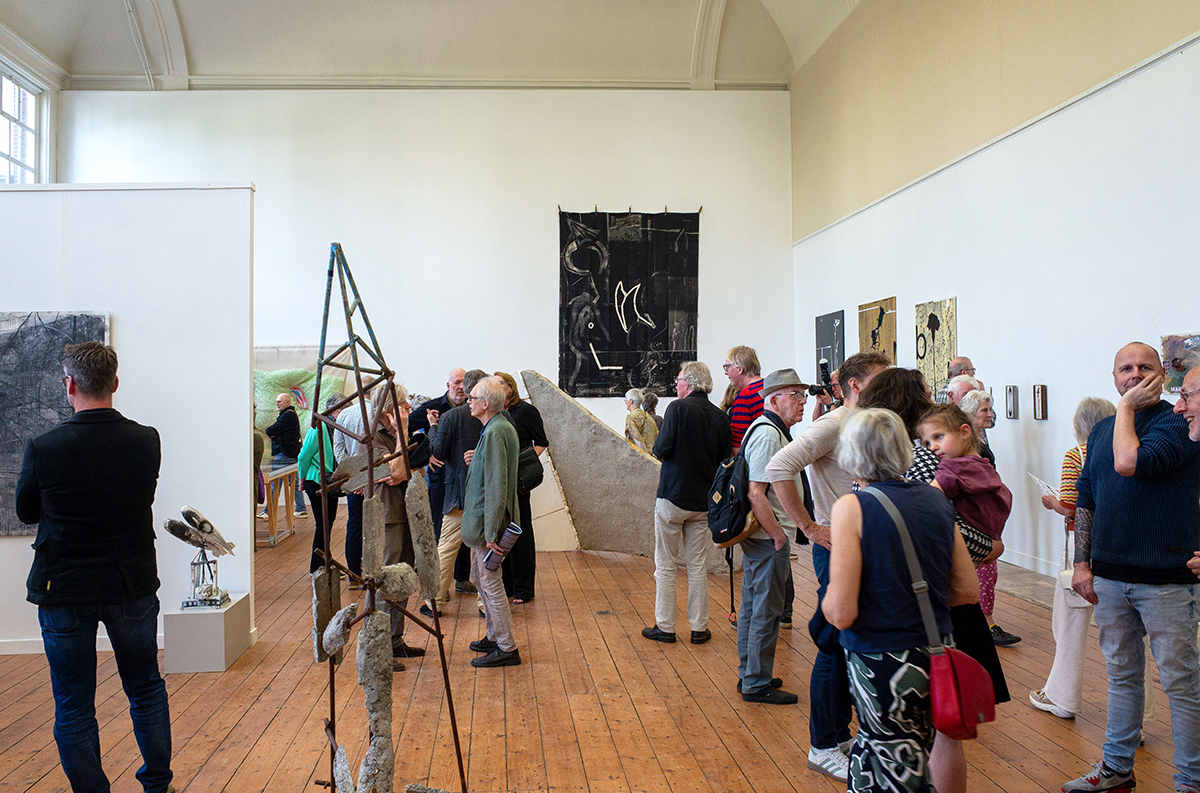
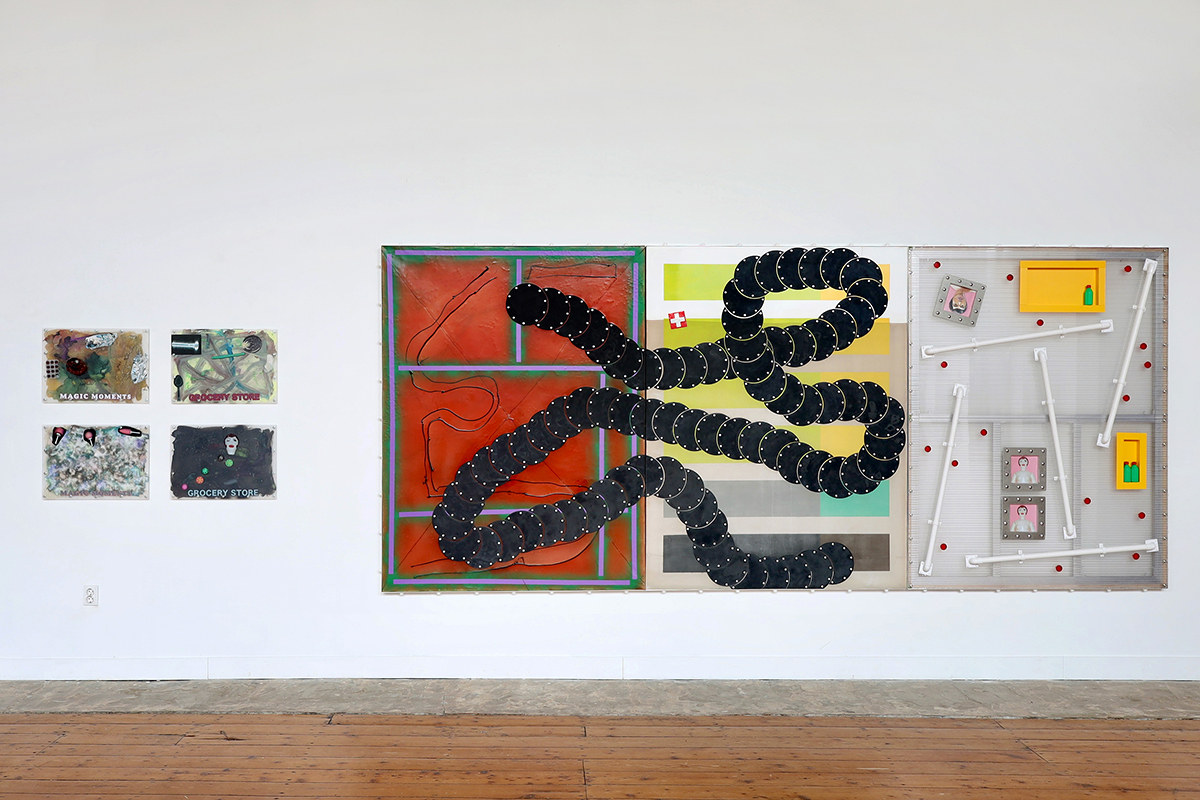
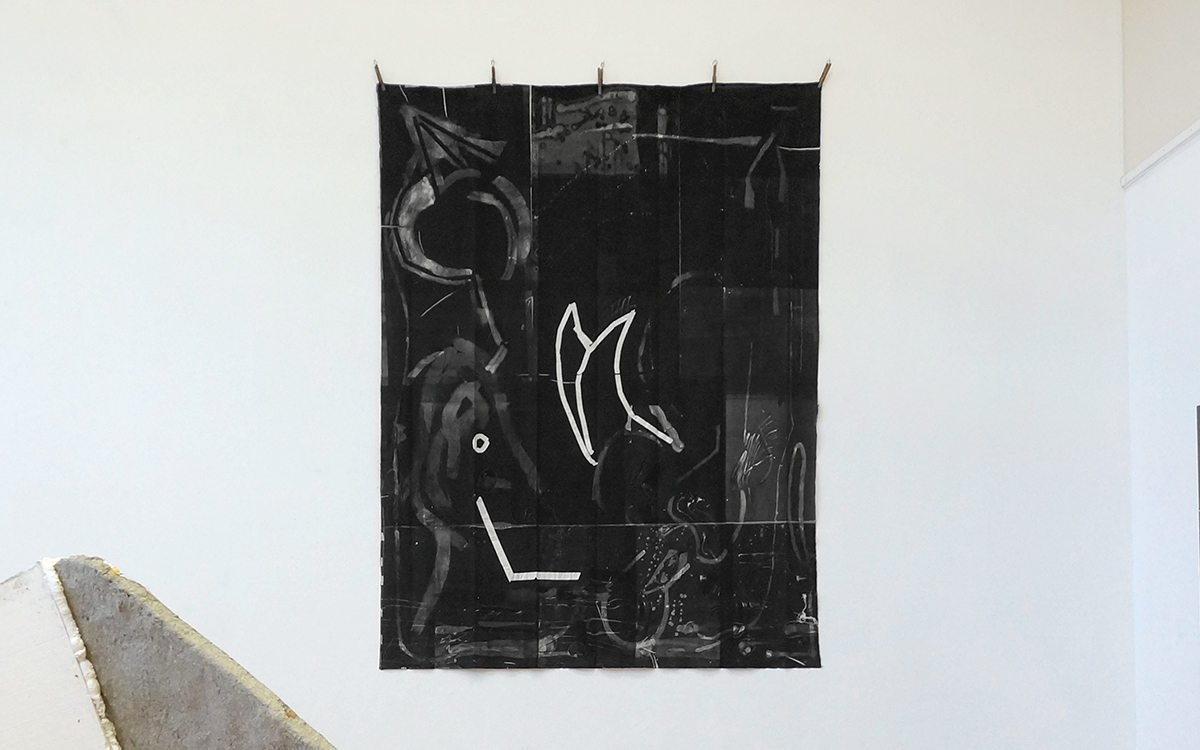
Dieke Venema (1990) creates sculptures and spatial installations in an intuitive manner. In her work, she focuses on the ‘how’ and the mindset of the creative process, in which aspects such as texture, form and material play a major role. Venema creates her sculptures from ‘unrefined’ materials such as reinforced concrete, pigment, papier-mâché and acrylic, giving them an amorphous form that only vaguely resembles something recognisable. As a result, her sculptures are never definitive, but fluid in meaning. One of her works in the exhibition is an immense wall piece that she produced at the Dutch Lithography Museum, consisting of lithographically printed canvases. Venema studied at ArtEZ in Zwolle and De Ateliers in Amsterdam, she currently lives and works in Valkenswaard.
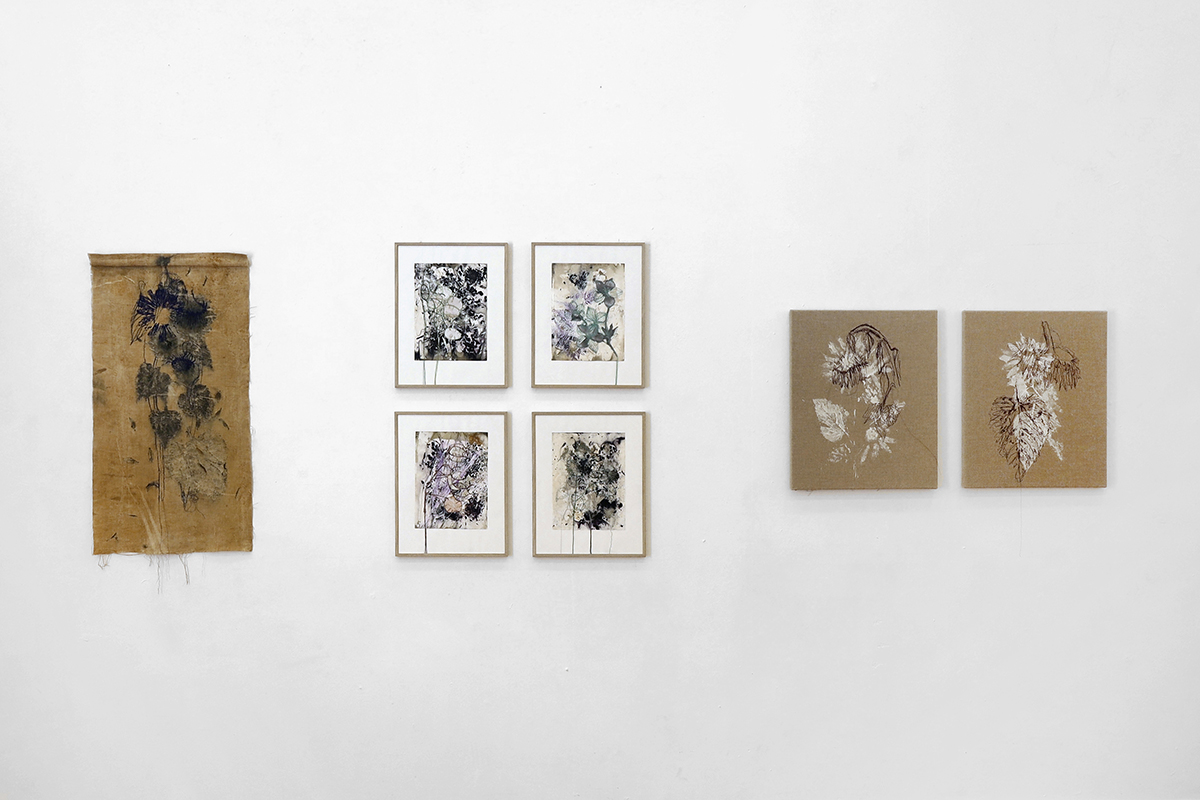
Ilse Vermeulen (1964–2025) finds the inexhaustible and all-encompassing beauty of nature to be a great source of inspiration. During every walk, or close by in her own garden, she is amazed by it time and time again. The constant cycle of transformation, season after season, all the stages of life passing by, it unfolds as if by itself: growth, blossoming, withering, transience, mortality. She uses fabric or paper as the base for her works. In the series The Seeds, amongst others, she captures leaf and flower shapes on paper through the technique of nature printing. By embroidering, she adds a new layer; intuitive lines function as a walk in which she embraces the coincidental. Ilse Vermeulen passed away in 2025; in addition to being a visual artist, she was also head of the costume department at Het Zuidelijk Toneel in Tilburg.
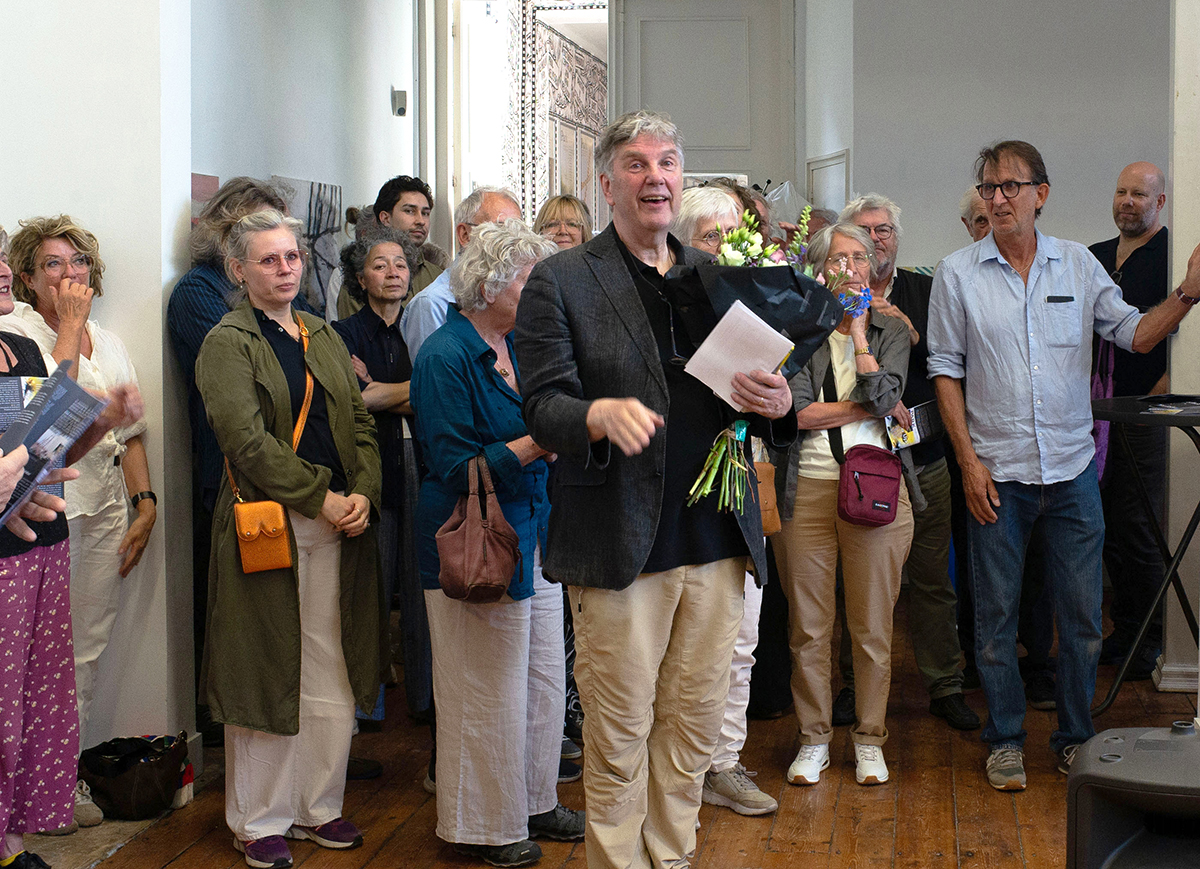
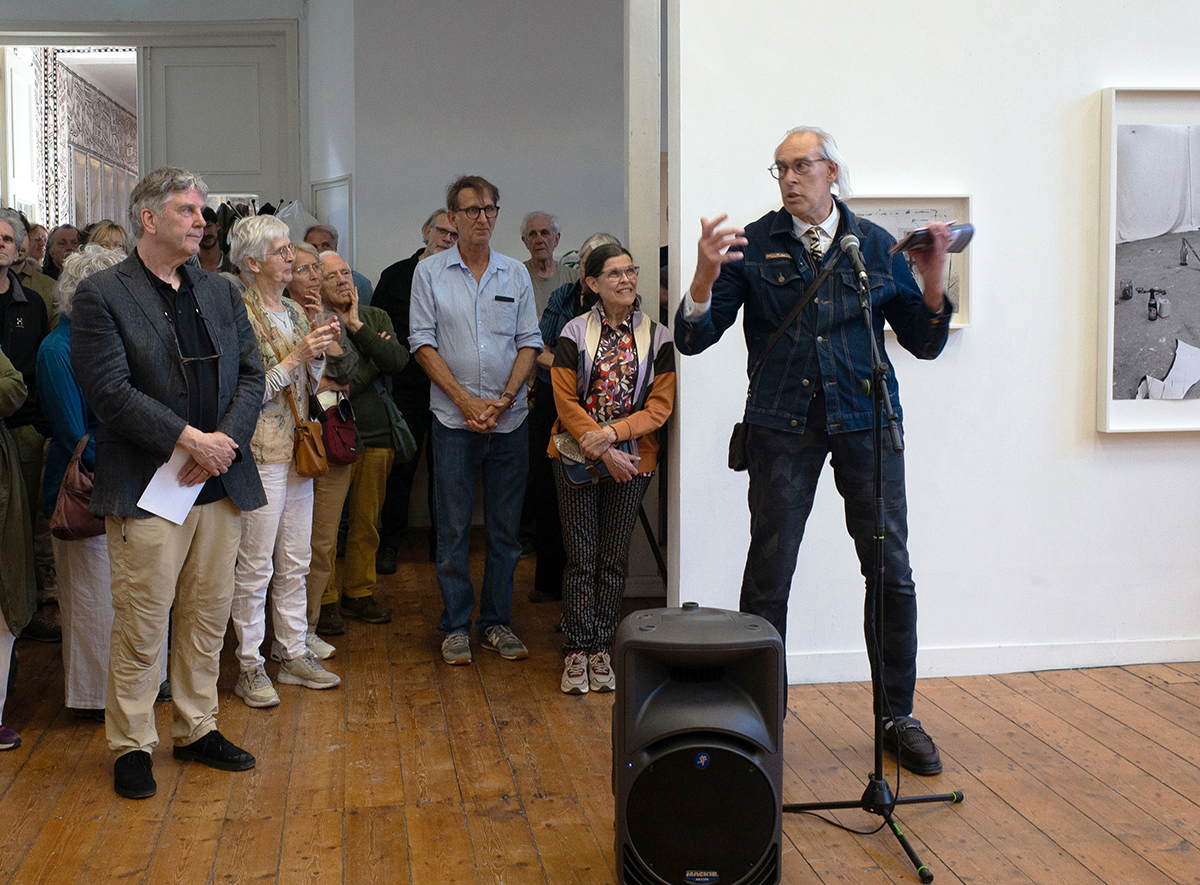
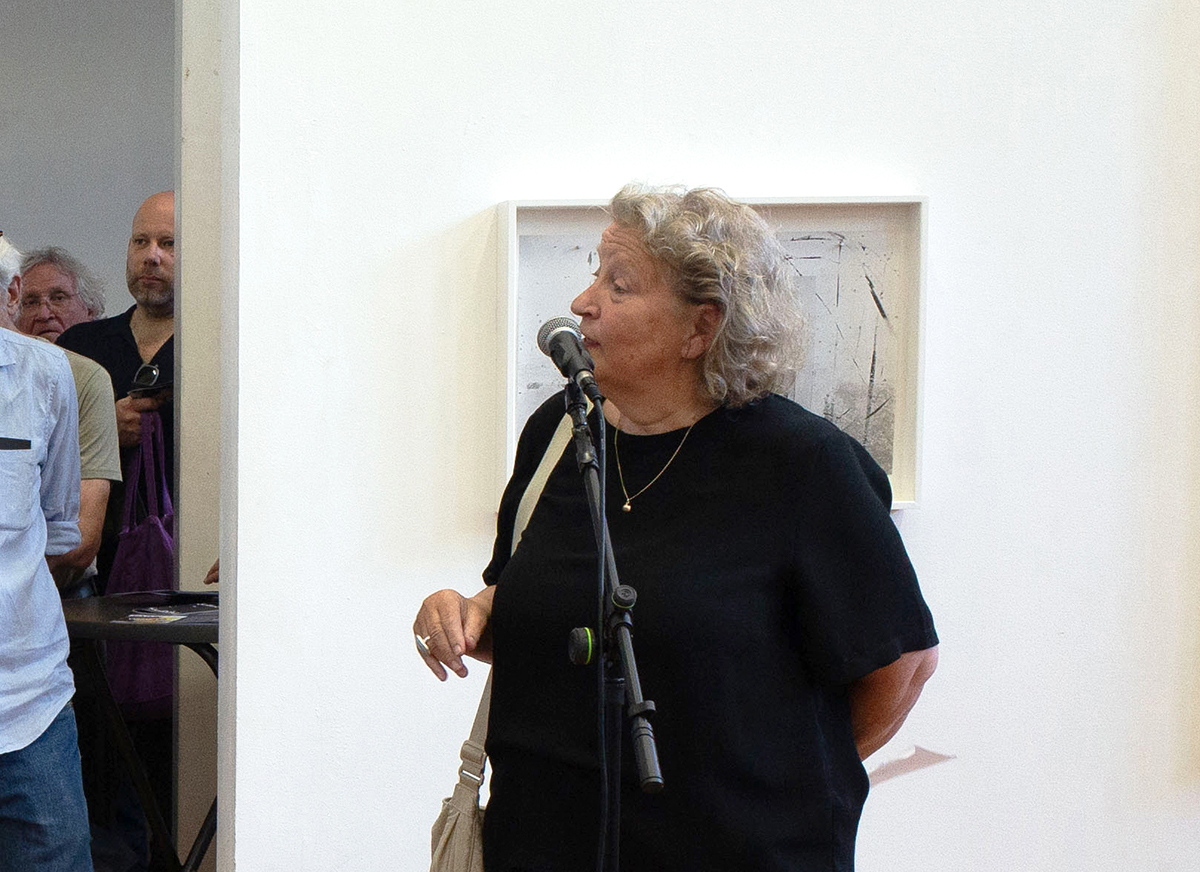
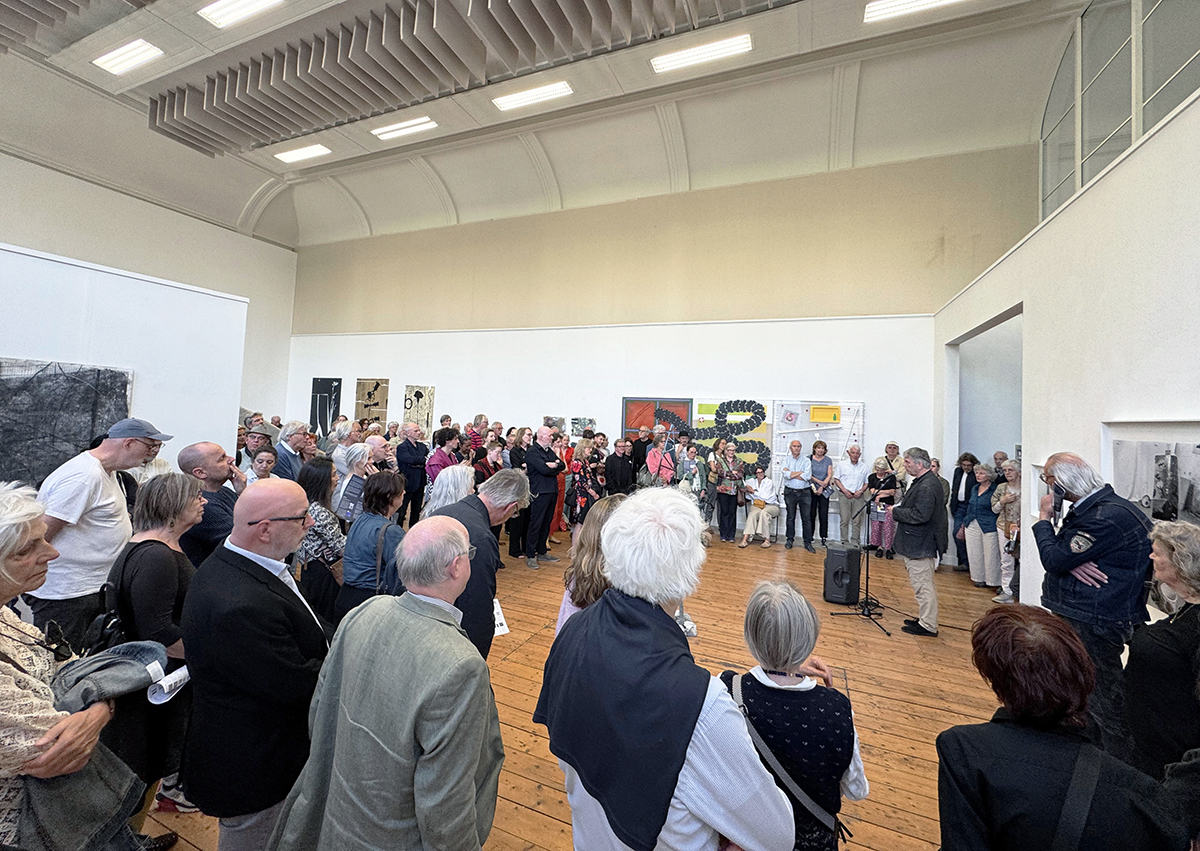
The opening will take place on Saturday 2 May at 4 pm and will be conducted by Edwin Becker, chief curator of exhibitions at the Van Gogh Museum Amsterdam. You are most welcome to attend.
On this day, PARK is open from 3pm.
During exhibitions, PARK is open on Friday, Saturday and Sunday from 1pm to 5pm.
Click here for the flyer of the exhibition.
In the media:
- Tilburg.com - 13-03-2026
- TilburgWijzer - 02-04-2026
- Artist in the World, André Smits, FB - 24-05-2026
- Brabants Dagblad / Eindhovens Dagblad online - 27-05-2026
- Brabants Dagblad / Eindhovens Dagblad - 28-05-2026
- Villa La Repubblica - 28-05-2026
- Villa Next Door 3 - 03-06-2026